本記事は、【R&Aアジアパシフィックディレクター Jerome Ng氏とJGA山中博史専務執行役/ゴルフ振興推進本部 本部長 インタビュー】より、『女性とゴルフ』の部分を抜粋したものです。
記事の全文はこちらから/Click here for full article.
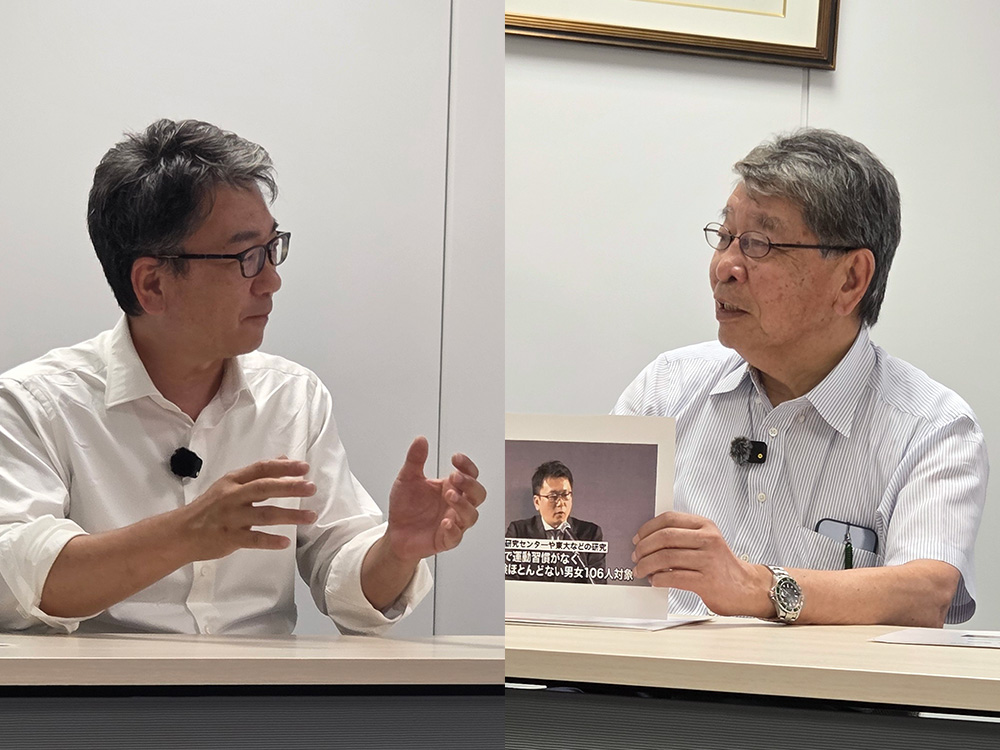
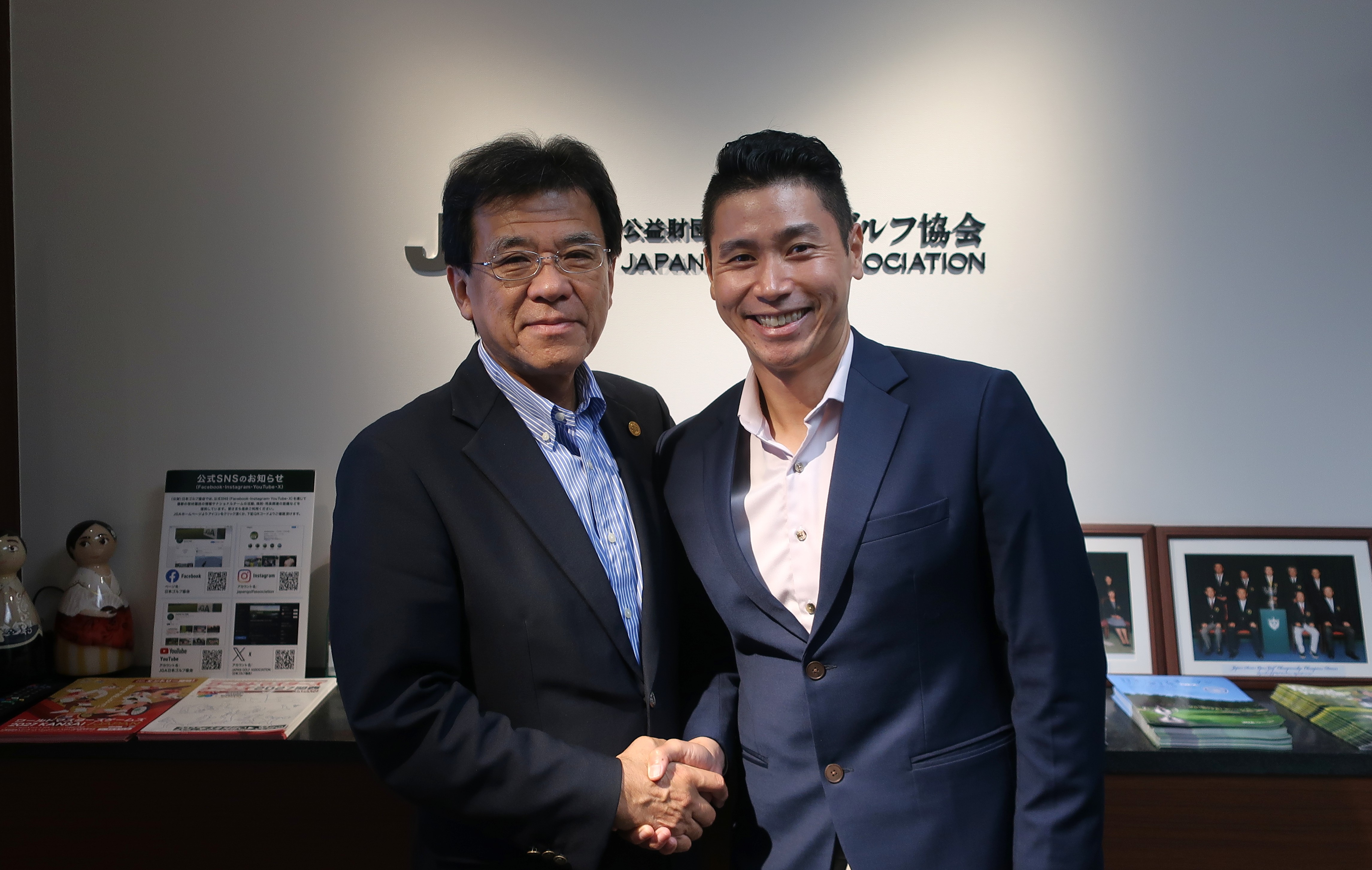
世界のゴルフの総本山、The R&A(ジ・アールアンドエー)のゴルフ振興・アジア太平洋地域ディレクターを務めるJerome Ng氏にJGAの山中博史専務執行役(ゴルフ振興推進本部 本部長)がR&Aの「ゴルフの普及振興戦略」、「ゴルフと健康」、「女性とゴルフ」の動向などについて聞いた。
「女性とゴルフ 世界の動向」
山中 女性ゴルファーを増やす必要もありますね。現在の日本の女性ゴルファー比率は約14~15%ですが、JGAでは20%まで高めることが目標です。女性は出産や育児などにより、ゴルフを続けるうえで男性とは異なる難しさを抱えますが、ゴルファーを増やすうえで女性の参加は極めて重要であり、そのためにこのプロジェクトを進めています。
Jerome 世界全体では、女性の参加率は3~4%増加しています。日本でも総利用者数を見ると若干増え、ゴルフコース以外の施設では女性が50%を超えています。時間が短く、便利で、アクセスしやすいからです。時間に空きがあればいつでも練習場へ行けます。
女性がゴルフ場でも、より多く、より頻繁にプレーできるよう、どう支援し、促すかが課題です。女性向け会員制度があるクラブもあります。ゴルフ場や施設が女性を引きつけるために、どのようなプログラムや商品を提供するかを考える必要があります。韓国では女性ゴルファーの割合が高く、北欧諸国も女性参加率が高いですね。
山中 女性にはゴルフを始め、続けるうえでさまざまな障壁があります。どのような問題があり、どう解決できると考えますか。
Jerome コースを見ると、女性に配慮されていないことがあります。設計者はまずチャンピオンシップコースを考え、最も後方のティー、黒ティー、男性用ティーを置き、最後に女性用ティーを考えます。一般女性や初心者向けティーは小さく、余った場所に置かれ、頭上に木が張り出していることさえあります。いいショットを打っても木に当たり、木陰で芝の状態も良くない。特に日本のコースは樹木が多いため、こうした問題があるかもしれません。グリーン手前にクリークがあり、初心者の飛距離では越えられず、またレイアップしなければならないこともあります。女性やジュニア、シニアを歓迎する設計が必要です。難しく、美しく、挑戦的なチャンピオンシップコースを好む気持ちは理解しますが。
もう一つの大きな障壁はトイレです。この時代に、女性用トイレがコース上に十分に備えられていないことが理解できません。また、女性はクラブに自分たちの居場所がないと感じることがあります。
『女性はプレーが遅い』『ルールを知らない』という先入観もあります。しかし、これは初心者全体の問題です。ゴルファーは初心者に厳しくなりがちです。『あの人は時間がかかりすぎて一日を台無しにした』と不満を言いますが、私たちもかつて初心者でした。誰もがもう少し理解と寛容さを持てば、女性や初心者を歓迎する環境になるのではないでしょうか。
「新しい女性ゴルファーを増やす方法」
山中 では、特に日本で新しい女性をゴルフへ迎えるために何が必要でしょうか。一般に女性は女性と一緒に学ぶことを好みますか?
Jerome 英国で調査したことがあり、女性同士でレッスンに行きたいかという問いには『はい』、女性コーチからレッスンを受けたいかについては『男性でも構わない』という回答でした。しかし、機会があれば女性コーチの方が安心できると思います。練習場やゴルフクラブに、新しい女性がゴルフを学ぶためのプログラムがあるか、どのような内容かが重要です。
デンマークやオランダには素晴らしい女性向けプログラムがあり、ワインと食事、ヨガとゴルフなど、ライフスタイルとゴルフを組み合わせています。屋外のゴルフ場でヨガをする。安全な環境へ少しずつ入ってもらい、仲間をつくり、一緒に学び、後に会員になり、さらにゴルフをするようになります。
タイではファッションを取り入れた新しい女性向け企画がありました。何を買わせるかではなく、ゴルフには実際に何が必要なのかをショップで教えるのです。初心者には、必要な用具についてアドバイスが必要です。用具は本人に合っているか。女性が男性用セットを使ってもよいのか。もちろん、体力と技術に合うなら使えます。女性用セットが女性だけのものという意味ではありません。人々を歓迎できる、より教育された人材が必要です。
Women and Golf: Global Trends
Andy: We also need to increase the number of women golfers. Women golfers currently account for approximately 14 to 15 percent in Japan, and the JGA aims to increase that figure to 20 percent. Women often face challenges in continuing golf that differ from those experienced by men, particularly due to childbirth and child-rearing responsibilities. Nevertheless, increasing female participation is essential to growing the game, which is why we are pursuing this initiative.
Jerome: Globally, female participation has increased by approximately three to four percent. In Japan, overall engagement among women has also risen slightly, and women account for more than 50 percent of participation in off-course golf activities. This is because such activities are convenient, accessible, and require less time. People can visit a driving range whenever they have free time.
The challenge is determining how we can support and encourage women to play more often on golf courses as well.
Some clubs offer women-focused membership options. Golf facilities must consider what programs, products, and services they can provide to attract and retain female golfers.
South Korea has a particularly high proportion of women golfers, and participation rates are also strong in the Nordic countries.
Andy: Women face various barriers when starting and continuing golf. What do you see as the main challenges, and how can they be addressed?
Jerome: When you look at many golf courses, you can see that they are not always designed with women in mind. Course architects often begin by designing a championship layout. They place the back tees, black tees, and men’s tees first, and only later consider the women’s tees.
As a result, tees intended for recreational golfers, beginners, and women are often small, placed in leftover areas, and sometimes even located beneath overhanging trees. A player may hit a good shot only to see it strike tree branches. The turf quality in shaded areas is often poor as well. Given the abundance of trees on Japanese golf courses, this may be a particularly significant issue in Japan. Similarly, a creek located in front of a green may be manageable for stronger players, but not for beginners whose shot distance is insufficient to carry the hazard. Golf courses should be designed to welcome women, juniors, and seniors. I understand the appeal of challenging and beautiful championship courses, but inclusivity must also be considered.
Another major barrier is restroom access. Even today, I find it difficult to understand why many golf courses do not provide sufficient restroom facilities for women on the course. As a result, women may feel that golf clubs are not truly designed for them.
There are also stereotypes, such as “women play slowly” or “women don’t know the rules.” However, these are beginner issues, not women’s issues. Golfers can sometimes be hard on newcomers. People complain that a beginner group took too long and ruined their day, but we were all beginners once.
If golfers could show a little more understanding and patience, we could create a much more welcoming environment for women and beginners alike.]
How to Attract New Women Golfers
Andy: What is needed, particularly in Japan, to welcome more women into golf? In general, do women prefer learning alongside other women?
Jerome: We conducted research in the UK on this topic. When asked whether they preferred learning with other women, the answer was overwhelmingly yes. When asked whether they specifically preferred a female coach, many responded that a male coach would be perfectly acceptable. That said, if given the choice, many women feel more comfortable with a female coach.
The important question is whether driving ranges and golf clubs offer programs specifically designed to help new female golfers learn the game, and what those programs look like.
Denmark and the Netherlands have developed excellent programs for women that combine golf with lifestyle activities, such as wine and dining experiences, or yoga and golf.
Imagine practicing yoga outdoors at a golf course. Women are gradually introduced to a welcoming and safe environment where they can meet friends, learn together, and eventually become club members and regular golfers.
Thailand has also introduced innovative programs incorporating fashion. The focus is not on selling products but on helping women understand what they actually need to play golf.
Beginners need advice on equipment. Are the clubs suitable for them? Can women use men’s clubs? Of course they can, provided the clubs match their physical ability and skill level. Women’s clubs are not exclusively for women. What we need are better-trained people who know how to welcome and support newcomers.