Click here for Japanese version/日本語版はこちらから
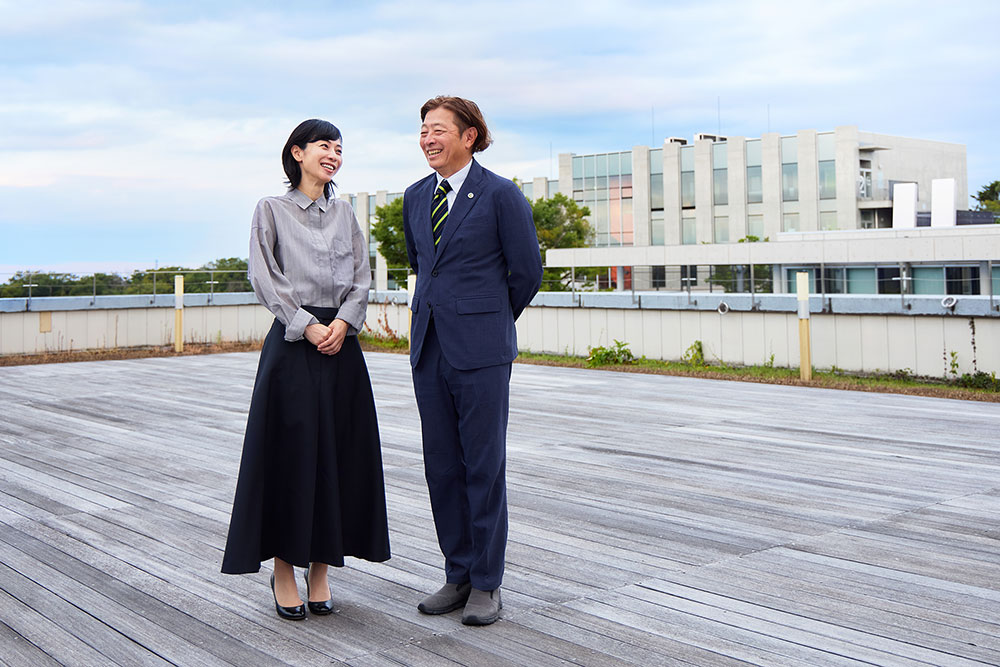
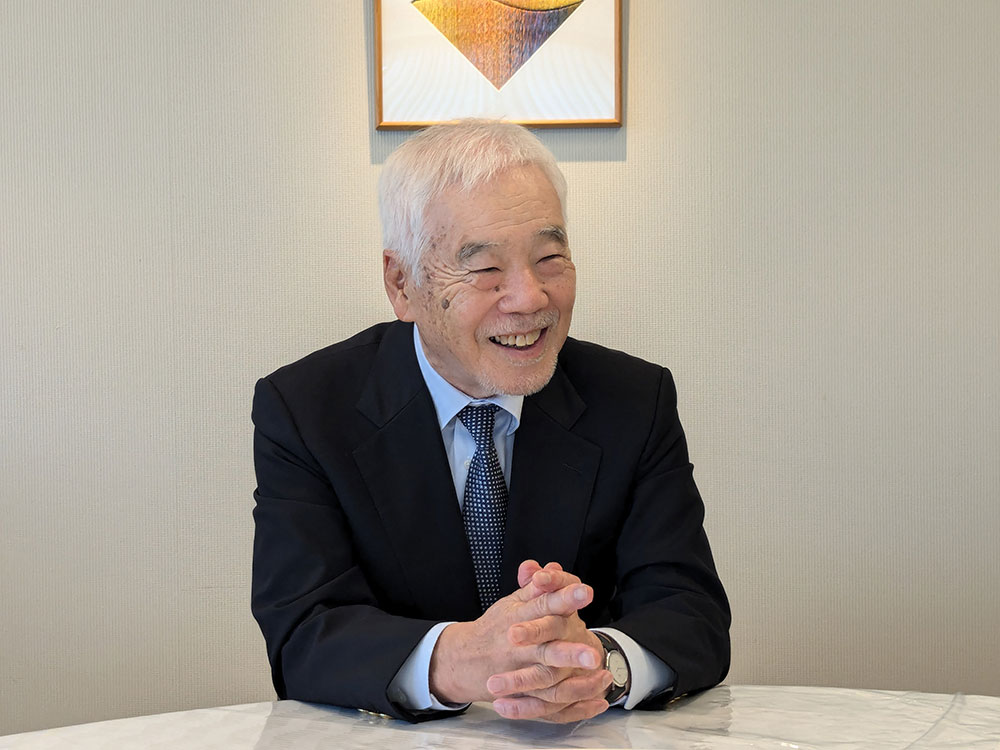
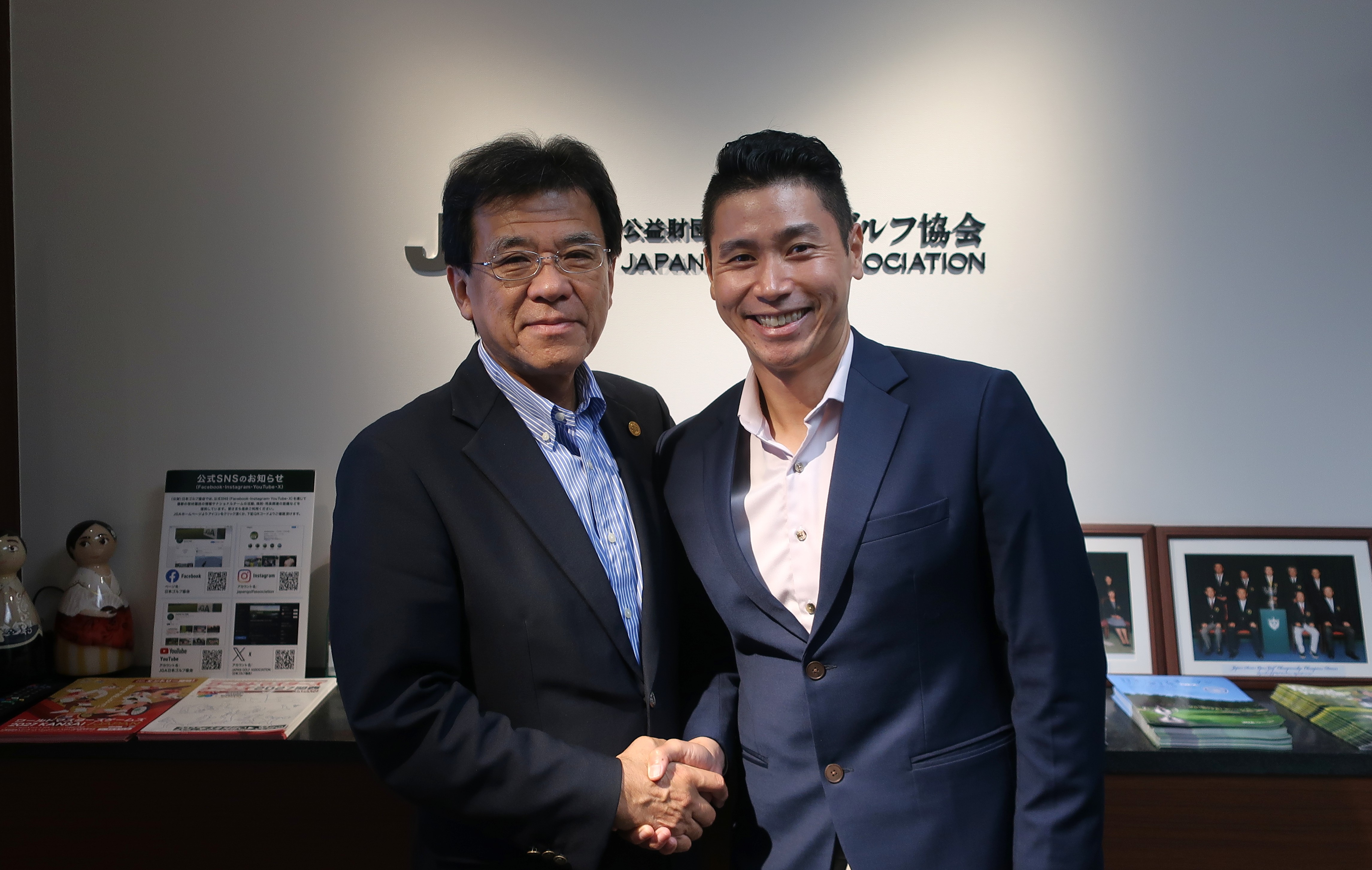
JGA Chief Executive and Chairman of the Golf Development Department Andy Yamanaka interviews Jerome Ng, Director of for Asia-Pacific at The R&A, the governing body of golf worldwide, about the R&A’s new strategy, golf and health, and global trends in women’s golf.
「Open Golf to the World」
Andy: First, could you explain the background and key objectives of The R&A’s new strategy, Open Golf to the World?
Jerome: The objective of Open Golf to the World is to consider how access to golf can be improved while considering the different circumstances of each region. In Great Britain, Ireland, and many parts of Europe, there are areas where golf is relatively accessible. In contrast, throughout parts of the Asia-Pacific region, golf can sometimes be perceived as exclusive, and some facilities are operated by specific organizations, including military institutions. This is partly related to the historical way in which golf spread from Britain to Asia.
However, our aspiration is that everyone around the world should have the opportunity to experience this wonderful sport.
Today, golf is no longer limited to playing just 18 holes. There are many different formats of the game, and the interests of younger generations are becoming increasingly diverse. Open Golf to the World is about introducing the game to more people, changing perceptions of golf, and increasing opportunities for people to try it for themselves.
Andy: How has golf been changing globally in recent years?
Jerome: When we look at the available statistics and research, golf is increasingly being recognized as a healthy activity. Particularly since the COVID-19 pandemic, people have wanted to spend more time outdoors. Sports such as squash, tennis, and football require an opponent or teammate, whereas golf can be enjoyed alone.
Consumer behavior is also changing. There is growing demand for shorter golf experiences, such as simulator golf and par-3 courses. Traditional membership golf clubs and championships remain important because they preserve the history and traditions of the game. However, by embracing different forms of golf, we can expand the overall potential of the sport.
Global Golf Participation and Diverse Forms of Engagement
Andy: In Japan, the number of people taking up golf and visiting driving ranges has declined slightly since the pandemic. Would you say that golf is still growing globally?
Jerome: Since 2024, engagement with golf has increased by more than four million people worldwide. The key question, however, is whether the sport is truly accessible.
At some clubs in Asia, prospective members require sponsorship from existing members. Even if a young person is passionate about golf and wants to join a club, obtaining recommendations from senior members can be difficult. As a result, opportunities often favor the children of existing members. The issue is not only the cost of membership. In some cases, the membership structure itself can make it difficult for new golfers to feel welcome.
What is important about the increase of four million participants is whether they will remain engaged. Will they continue playing, or will they simply spend some time at a driving range, enjoy learning golf, and then move on? Young people today are also drawn to other sports, such as pickleball.
Andy: In Japan, golfers are generally counted as people who actually play on golf courses. By contrast, The R&A seems to include a much broader range of activities. Are spectators and people who play video games also considered golfers?
Jerome: Fans are fans. Whether someone actually plays golf is a separate definition. However, we focus on overall engagement with the sport. People engage with golf not only through playing on golf courses, but also through driving ranges, simulators, video games, and other formats. If we fail to take this broader view, we risk missing significant opportunities.
The Strengths and Potential of Japanese Golf
Andy: How do you view the strengths and future potential of golf in Japan?
Jerome: Within The R&A’s jurisdiction, Japan has more golf courses than any other country. If golf were a car, Japan possesses a large and powerful engine. The challenge is identifying the fuel that will allow it to travel farther, faster, and more sustainably into the future. At the same time, this challenge represents a tremendous opportunity.
In places such as Singapore and Hong Kong, demand for golf continues to grow while the number of golf facilities is decreasing. In India and China, golf courses are concentrated around major urban centers. However, land around cities is expensive and increasingly scarce. Demand exists, but there is insufficient supply, raising the question of where people can actually play.
In China, where there are said to be around 25,000 junior golfers, a major issue is where they can practice. Considering the limited number of facilities and the associated costs, some parents conclude that sending their children overseas, particularly to the United States, is a more practical option.
In places such as Florida, green fees are relatively affordable, and high school and university systems are more welcoming to new golfers.
Compared with those markets, Japan possesses an abundance of golf facilities and therefore enjoys an enormous opportunity
Andy: Japan has about 2,200 golf courses. At the same time, approximately 10 to 20 courses disappear every year due to financial difficulties, and this trend has continued for 15 to 20 years. We once had around 2,400 courses.
The number of golfers has also fallen from over ten million some 20 to 30 years ago to approximately six to six and a half million today.
Japan remains the world’s second-largest golf nation, yet both the number of golfers and golf courses are declining. That is why we devote significant time and energy to golf development initiatives.
Jerome: The ageing population is certainly one of the challenges. The initiatives JGA is promoting, such as Golf and Health, Community Golf, and introducing golf into schools, provide excellent opportunities to reintroduce the sport to society. If golf can be presented differently at the community and grassroots level, it can help change the perception that golf is exclusively for elites or for affluent individuals who can afford expensive participation costs.
For golf clubs that are struggling financially, there is a difficult choice to make. Do they keep their facilities primarily for existing members, or do they welcome new participants and create new sources of revenue? That is not an easy decision.
Golf Courses and Local Communities
Andy: Golf courses exist for members and golfers, but cooperation with local governments and communities is also important.
Jerome: When the communities surrounding golf facilities become vibrant and active, golf courses can become centers of their local communities and become more accessible to people.
If a golf course has 80 percent unused capacity during weekday mornings and afternoons, the question should be how to make use of that availability. Of course, the situation may be different for a small number of truly private clubs.
In Japan, there are still many people, including international visitors, who would like to play golf. If golf courses, local governments, prefectural golf associations and the JGA work together to build a stronger system, the path to success certainly exists.
Everything starts at the local level. Clubs and facilities must work together and welcome people. Simply telling someone, “This club has something here for you,” opens the door a little wider. If the food is good, people may visit simply to dine. Courses could even use vegetables grown on their own property and sell them within the community. If golf facilities open their doors to non-golfers, people may begin to think, “Golf courses are actually enjoyable places. Perhaps I should try golf one day.” It may sound unconventional, but that is fundamentally the original concept of a country club.
Golf and Health: Seniors and Golf
Andy: How is the health value of golf viewed globally? We believe it is important to continue communicating about how golf contributes to lifelong health and enjoyment. It offers benefits across generations, particularly for retirees, older adults, and people with disabilities.
Jerome: Golf and Health is one of the major pillars of the Open Golf to the World strategy. One of its most important aspects is mental health. In addressing challenges such as loneliness, the lingering effects of the pandemic, and an ageing population, golf provides people with an opportunity to get outdoors, enjoy a park-like environment, build a sense of community, engage in conversation, and participate in sport.
It is not easy to take up football at the age of 70, but golf is a sport that people can enjoy for many years. It is not solely about physical competition. Golf is also a personal challenge between the player and the course. Even players of different abilities can compete through the handicap system. These factors have a positive effect on mental well-being, and numerous studies have demonstrated the benefits of simply spending time outdoors.
In Asia, golf carts are widely used, but in many other parts of the world people walk the course. Walking a hilly course provides clear cardiovascular benefits and meaningful physical exercise. I would like to see more people walking while they play.
I remember a speaker at a previous international golf conference describing golf courses as beautiful parks. Why do people not think of golf courses as parks? In Scotland’s Fife region, there are initiatives where doctors prescribe golf to patients who would benefit from it.
Andy: We are aware of developments in the UK, Europe, and the United States. Are similar projects attracting attention in Asian countries such as Japan, China, and Korea?
Jerome: Asia is not yet as advanced in this area, but one advantage is that many doctors are golfers themselves. By using examples such as the Fife initiative in Scotland and presenting strong evidence to local governments, it may be possible to demonstrate how golf can contribute to reducing healthcare costs. Beautiful golf courses can be utilized not only for recreation but also as a tool to support mental health.
Andy: Golf may help prevent and manage chronic diseases, while improving quality of life through strength building, enhanced balance, aerobic exercise, and social interaction. If senior golfers continue playing, they may help reduce healthcare and government expenditures. In Japan, people in their seventies, eighties, and sometimes even their nineties still play golf. In addition to junior development, it is important to ensure that seniors can continue enjoying the sport.
Jerome: For seniors, community and belonging are essential. To keep older people engaged in golf, we must provide safe environments, reduce loneliness, and help people stay connected. Beyond senior championships, golf facilities could organize social golf days for seniors. If golf courses and prefectural golf associations work together to create more opportunities for seniors to gather, we can foster healthier, happier, and more active senior communities.
Andy: There is an organization called the Japan Senior Golfers Association, which has approached the JGA seeking closer collaboration in promoting such programs. Golf may also be an excellent means of communication for couples.
Jerome Ng: Golf has the power to serve as a common language. When you play with someone, you quickly learn a lot about them. If more seniors remain active and happy, they are also more likely to welcome juniors, including their grandchildren, to golf facilities.
Golf does not always need to mean 18 holes. People can play nine holes, enjoy tea and a light dessert, and relax while appreciating the scenery. The goal is not to exhaust yourself over 18 holes and be unable to play the next day. The important thing is to continue enjoying the game for many years.
Women and Golf: Global Trends
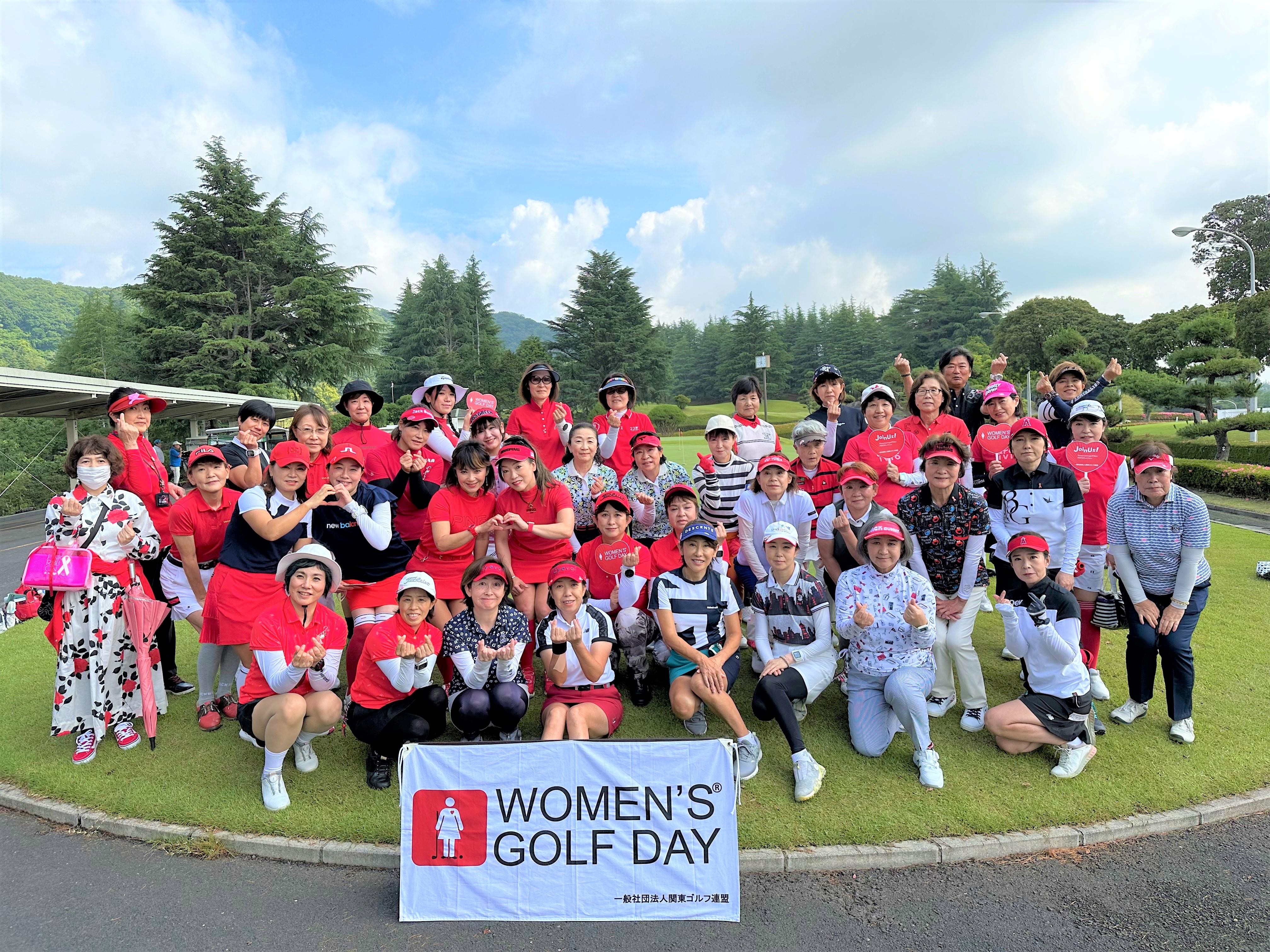
Andy: We also need to increase the number of women golfers. Women golfers currently account for approximately 14 to 15 percent in Japan, and the JGA aims to increase that figure to 20 percent. Women often face challenges in continuing golf that differ from those experienced by men, particularly due to childbirth and child-rearing responsibilities. Nevertheless, increasing female participation is essential to growing the game, which is why we are pursuing this initiative.
Jerome: Globally, female participation has increased by approximately three to four percent. In Japan, overall engagement among women has also risen slightly, and women account for more than 50 percent of participation in off-course golf activities. This is because such activities are convenient, accessible, and require less time. People can visit a driving range whenever they have free time.
The challenge is determining how we can support and encourage women to play more often on golf courses as well.
Some clubs offer women-focused membership options. Golf facilities must consider what programs, products, and services they can provide to attract and retain female golfers.
South Korea has a particularly high proportion of women golfers, and participation rates are also strong in the Nordic countries.
Andy: Women face various barriers when starting and continuing golf. What do you see as the main challenges, and how can they be addressed?
Jerome: When you look at many golf courses, you can see that they are not always designed with women in mind. Course architects often begin by designing a championship layout. They place the back tees, black tees, and men’s tees first, and only later consider the women’s tees.
As a result, tees intended for recreational golfers, beginners, and women are often small, placed in leftover areas, and sometimes even located beneath overhanging trees. A player may hit a good shot only to see it strike tree branches. The turf quality in shaded areas is often poor as well. Given the abundance of trees on Japanese golf courses, this may be a particularly significant issue in Japan. Similarly, a creek located in front of a green may be manageable for stronger players, but not for beginners whose shot distance is insufficient to carry the hazard. Golf courses should be designed to welcome women, juniors, and seniors. I understand the appeal of challenging and beautiful championship courses, but inclusivity must also be considered.
Another major barrier is restroom access. Even today, I find it difficult to understand why many golf courses do not provide sufficient restroom facilities for women on the course. As a result, women may feel that golf clubs are not truly designed for them.
There are also stereotypes, such as “women play slowly” or “women don’t know the rules.” However, these are beginner issues, not women’s issues. Golfers can sometimes be hard on newcomers. People complain that a beginner group took too long and ruined their day, but we were all beginners once.
If golfers could show a little more understanding and patience, we could create a much more welcoming environment for women and beginners alike.]
How to Attract New Women Golfers
Andy: What is needed, particularly in Japan, to welcome more women into golf? In general, do women prefer learning alongside other women?
Jerome: We conducted research in the UK on this topic. When asked whether they preferred learning with other women, the answer was overwhelmingly yes. When asked whether they specifically preferred a female coach, many responded that a male coach would be perfectly acceptable. That said, if given the choice, many women feel more comfortable with a female coach.
The important question is whether driving ranges and golf clubs offer programs specifically designed to help new female golfers learn the game, and what those programs look like.
Denmark and the Netherlands have developed excellent programs for women that combine golf with lifestyle activities, such as wine and dining experiences, or yoga and golf.
Imagine practicing yoga outdoors at a golf course. Women are gradually introduced to a welcoming and safe environment where they can meet friends, learn together, and eventually become club members and regular golfers.
Thailand has also introduced innovative programs incorporating fashion. The focus is not on selling products but on helping women understand what they actually need to play golf.
Beginners need advice on equipment. Are the clubs suitable for them? Can women use men’s clubs? Of course they can, provided the clubs match their physical ability and skill level. Women’s clubs are not exclusively for women. What we need are better-trained people who know how to welcome and support newcomers.
Community Golf Instructors (CGI)
Andy: What is the fundamental concept behind Community Golf? What exactly is a Community Golf Instructor (CGI), and why is the program called CGI?
Jerome: The CGI Program has been developed over the past several years as part of the Open Golf to the World strategy.
One of the challenges we face globally is a shortage of people available to teach and coach new golfers. In many rural areas around the world, PGA coaches are not available. However, there are individuals who know enough about golf to teach basic skills, such as how to hold a club and get started in the game.
Across the Asia-Pacific region, we cannot simply tell beginners to go to a golf course and learn as they play. CGI helps bring golf education to local communities, lowers the cost of learning, and delivers golf to grassroots communities and schools. Physical education teachers can also introduce golf to children. If a child has a wonderful first experience with golf at school, they may become interested in learning more. From there, they may progress to PGA professionals, golf academies, practice facilities, and golf clubs.
Japan already has an abundance of golf facilities. Through CGI and Community Golf, we want to give golf experiences to people who may never have imagined the game was accessible to them. This is not limited to children. Adults, seniors, and women who have never played golf can all be included. By using adapted golf equipment designed specifically for learning, participants can quickly realize that golf is not as difficult as they may have imagined.
Andy: It seems to me that the role of a CGI is to provide people with opportunities to enjoy golf. The role is not necessarily to teach technical skills directly, but rather to act as a producer or director who creates enjoyable experiences and programs. That may be the most important role of all.
Jerome: Adapted equipment allows people to learn golf more quickly. And if enjoyment is placed at the center of the experience, people naturally want to learn more. The way golf is introduced is extremely important. When people become interested in something, they begin researching it for themselves and ask, “How can I improve?” Today’s children might even turn to ChatGPT for answers. The key question is whether we can inspire someone to ask that question in the first place. That is the role of Community Golf.
We want people to think: “I’d like to learn more about golf. I’d like to play. What should I do next?”
Community Golf serves as the introduction stage. It introduces children, women, adults, and other new participants to the game, attracts their interest, and encourages continued engagement.
The next challenge is whether the golf industry is ready to welcome those who want to continue their journey. If not, the efforts made at the community level may ultimately be wasted. Golf can begin anywhere: at golf facilities, shopping malls, driving ranges, indoor golf centers, open fields, and many other locations. Japan has tremendous opportunities to build golf communities.
Collaboration Between The R&A and the JGA: “One Team Japan”
Andy: With respect to golf development initiatives such as Golf and Health, Women and Golf, and Community Golf, what does The R&A expect from the JGA? The R&A has supported us in many ways, including financial assistance. What would you like the JGA to do, or perhaps do differently?
Jerome: We exist to work alongside alliance partners such as the JGA. Our role is to support and amplify the work that the JGA wants to accomplish. We want to stand beside those who are shaping the future of golf in Japan. Based on today’s discussion, the fundamental question is: “What will be the game changer for Japanese golf?”
Over the coming years, I sincerely hope that Japan moves closer to becoming “One Golf Japan” or “One Team Japan.”
The market is fragmented, but the opportunities are enormous. The first step is listening to people in the field, understanding the key challenges and differences, and bringing stakeholders together. The golf community needs a broader coalition of organizations working toward a shared direction.
Just as in a football team, everyone has a role and a responsibility. It is important for both the golf community and the golf industry to clearly understand who is responsible for what and to communicate effectively. Differences should not be viewed as obstacles. Instead, those differences can become strengths that contribute to a stronger team.
During my time with The R&A, one of the things I am most excited to support and develop in Japan is the concept of One Team Japan. Moving forward requires taking the first step. At first, the process may seem difficult and progress may appear slow.
But once people realize they have teammates fighting alongside them, every effort becomes worthwhile.
For the JGA, a strategic approach is essential. A clear strategy makes reform and change easier to achieve.
Organizations must continually return to their vision and ask:
What are we trying to accomplish? What is our strategy? What actions will we take? How will we implement them? Who is accountable? How will resources and budgets be allocated?
Only when these questions are clearly answered can everyone move forward under the same direction and purpose.
Andy: Thank you very much for sharing such valuable insights with us today. We sincerely appreciate your continued support and advice in promoting the growth of golf in Japan.
Interview written by : Yukio Kira, Member, JGA Information Sharing Unit